There are years when leaving feels reckless.
Flights spike. Visas tighten. Currencies punish you. Remote work is viewed with suspicion. Infrastructure collapses under its own ambition.
And then there are years when the friction drops just enough to make movement practical again.
2026 feels like one of those years.
Not because the world has suddenly become simple. It hasn’t. But because several structural factors — exchange rates, visa flexibility, remote work normalization, competitive airlines — have aligned in a way that lowers the barrier to entry for young travelers.
If you’ve been postponing the idea of backpacking because it felt financially irresponsible or logistically chaotic, this is a moment worth examining more closely.
Not romanticizing. Examining.

Southeast Asia: Infrastructure Without Illusion
Southeast Asia has been the training ground for backpackers for decades. What’s different in 2026 isn’t the cost structure so much as the reliability.
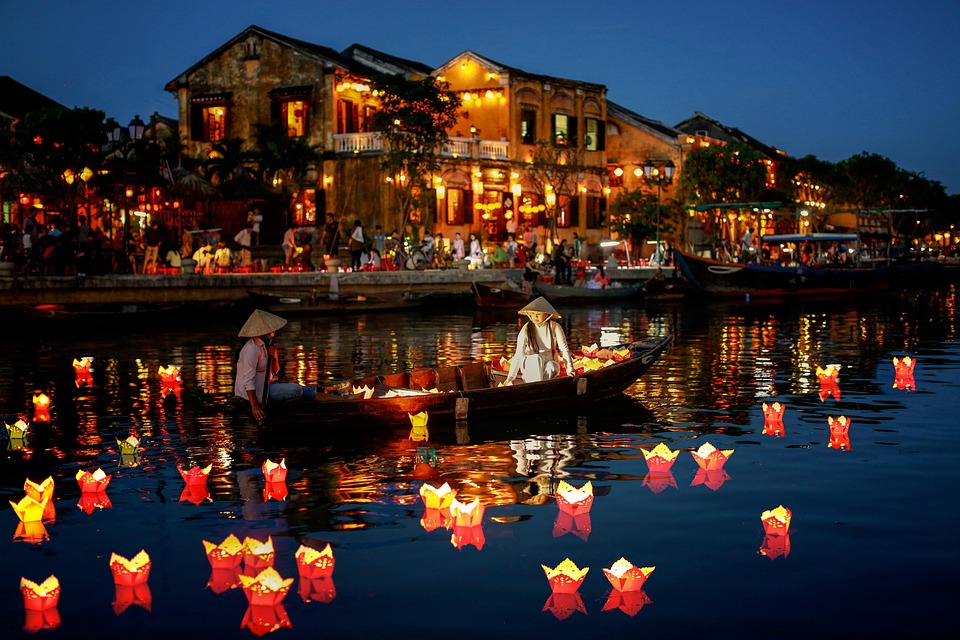
Vietnam is a good example. Hanoi still overwhelms for the first 48 hours. Da Nang now offers coworking spaces and stable internet without feeling synthetic. Hoi An remains compact enough to cross on foot. Ho Chi Minh City moves at a pace that makes you adjust rather than retreat.
You can still live on roughly $1,000 a month if you rent modestly, eat street food, and resist lifestyle inflation. The difference is that you can now work from these places without constantly negotiating connectivity.
The fantasy of the beach laptop is exaggerated. But the possibility of sustainable mobility is real.
South America: Formalizing What Was Already Happening
South America has always required attentiveness. That hasn’t changed.
What has changed is the administrative clarity. Colombia’s digital nomad visa didn’t invent remote work there; it acknowledged it. Medellín is no longer an improvisation. It is structured enough to build a temporary life without constant recalibration.
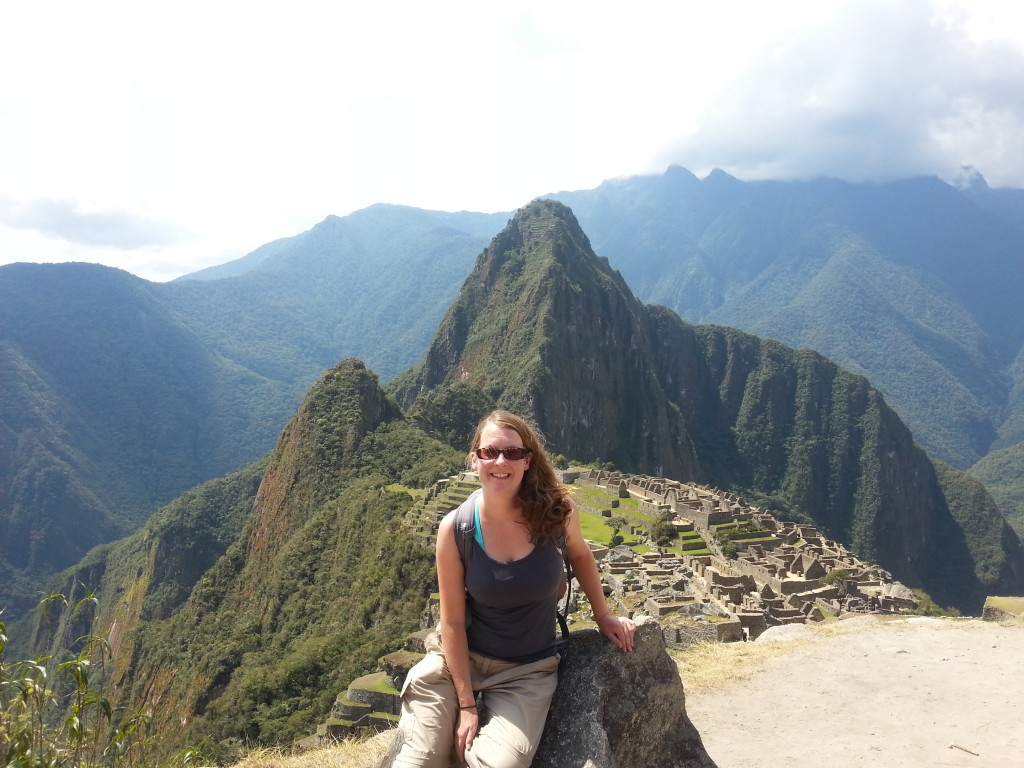
You can rent in Laureles, ride the metro daily, and understand how a city reconfigures itself over time. Peru remains layered. Lima’s restaurants can empty your wallet quickly if you let them. Cusco will force you to slow down, not because of budget constraints but because altitude demands humility.
A realistic monthly figure of around $1,500 allows comfort without insulation.
The region is not frictionless. But it is navigable.

Eastern Europe: Stability at a Manageable Cost
Eastern Europe’s appeal is not novelty. It is balance.
Prague and Budapest still carry architectural weight. But outside the postcard districts you find cities functioning at human scale. Croatia’s coast remains expensive in peak season, yet shoulder months are rational again.
You can move through this region on roughly $1,200 per month without constant austerity. Infrastructure feels European. Costs do not yet match Western Europe.
That equation is difficult to ignore.
Central Asia: Before It Becomes Polished
Central Asia remains slightly outside the algorithm.
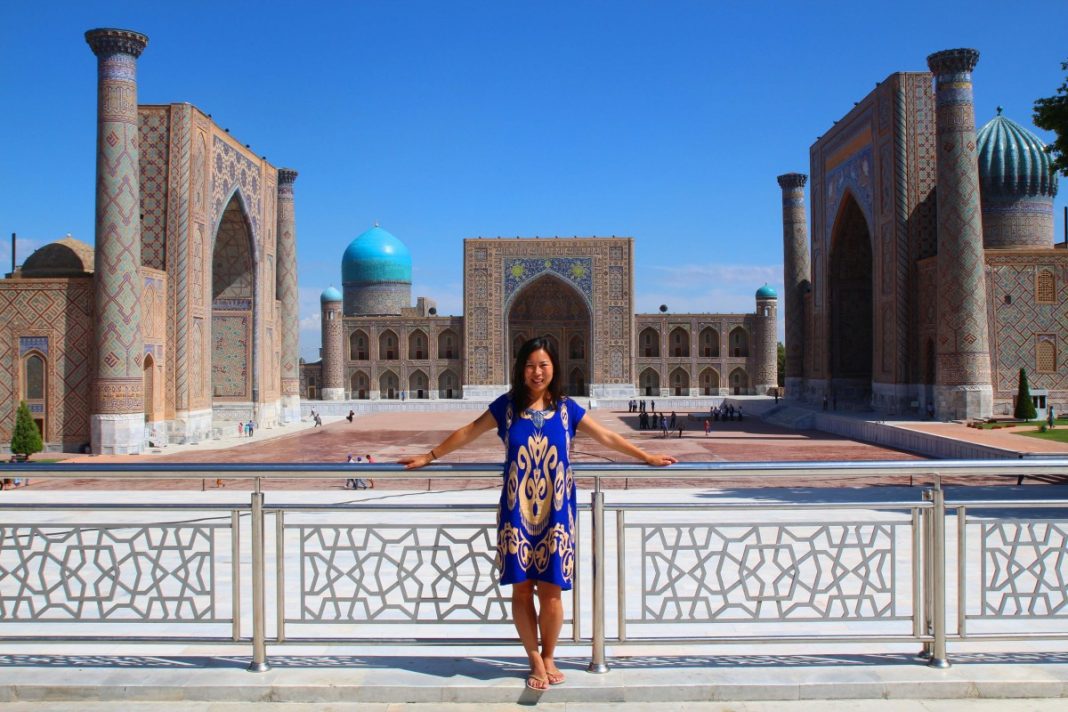
Uzbekistan has simplified visa processes. Samarkand and Bukhara are monumental without feeling over-managed. Tourism infrastructure is improving, but daily life has not been flattened for convenience.
Travel here requires patience. English is not universal. Transport demands flexibility. But what you gain is scale — architectural, geographic, historical.
If you are looking for a region that still feels structurally intact rather than curated, this is a reasonable time to go before convenience reshapes it.
Japan: Less Financially Intimidating Than Before
Japan has long sat on many travelers’ “later” lists.
Exchange rates and tourism recalibration have altered that calculation. It remains expensive relative to Southeast Asia, but it is no longer economically unreachable.
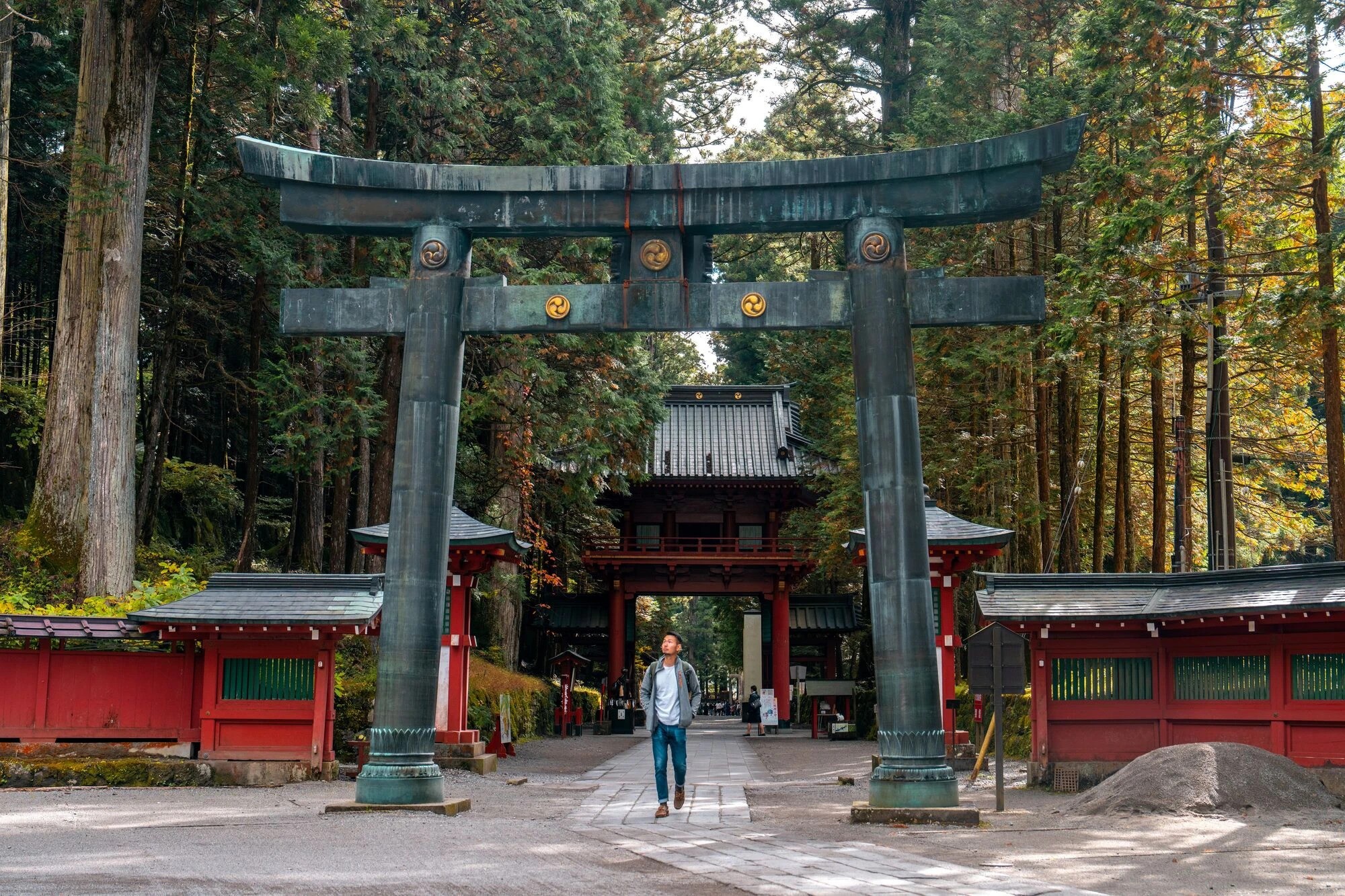
Working holiday programs and predictable rail infrastructure make longer stays plausible. Smaller cities offer breathing room. Tokyo no longer has to be the only entry point.
Japan rewards order. If you arrive expecting chaos, you’ll misread it. If you arrive prepared for structure, you’ll find depth inside it.
Why Timing Matters
Timing matters more than people admit.
Travel costs are not static. They expand and contract in cycles. Right now, several variables are leaning in your favor. Shoulder seasons in Europe have regained their logic — May and September feel civilized again instead of overcrowded and overpriced. In Southeast Asia, the so-called green season still brings rain, but it also brings negotiable rents, empty dorms, and streets that belong to residents rather than tour groups.
Fifteen years ago, moving money across borders felt like an event. You carried backup cards. You memorized exchange rates. You stood at counters explaining your own existence. Now transfers settle quickly, exchange rates are visible in real time, and banking rarely interrupts the trip. That shift is not romantic, but it matters. It removes a layer of background anxiety.
None of this promises transformation. Travel rarely delivers that on schedule. What it does provide is a reduction in drag — fewer administrative barriers, fewer financial shocks, fewer reasons to postpone the idea indefinitely.
Some years amplify hesitation. This one doesn’t.
If you are young — or simply mobile enough to experiment — the conditions are unusually manageable. You can test a few months abroad without detonating your savings or navigating bureaucratic theater at every border.
That doesn’t make 2026 historic. It makes it usable.
And usable windows are often the ones people later realize they should have taken more seriously.
Ramon