If you followed the news in the past years, Sri Lanka looked like a country folding in on itself. Fuel queues stretching for blocks. Power cuts. Protest camps outside government buildings. Photos of presidential swimming pools occupied by demonstrators.

What the headlines never show is what happens after the cameras leave.
I arrived months after the worst of it. The airport was calm. Immigration took minutes. Outside, the air felt thick and familiar, the way tropical islands do at night. The taxi driver apologized for traffic that barely existed.
Colombo did not feel like a country in collapse. It felt like a country catching its breath.

The Country Moves Slower Than The News Cycle
Cafés were open. Buses were loud and overconfident as always. The trains were running, sometimes late, sometimes not. People were less interested in discussing political upheaval than in asking whether I preferred the south coast or the hill country.
Yes, tourism had dropped. Yes, the economy had taken a hit. But Sri Lanka has always operated slightly outside the rhythm of international panic. Daily life resumes with a kind of quiet stubbornness.
Traveling there now does not feel reckless. It feels normal.
The Pekoe Trail Is Real — And So Are The Leeches
The Pekoe Trail has been marketed beautifully: 22 stages through tea country, linking estates, railway bridges, villages and mist. It sounds curated. In reality, it simply connects what was already there.
You walk past women carrying sacks of tea leaves heavier than your backpack. You pass schoolchildren in white uniforms who greet you in English learned somewhere between the classroom and YouTube. You cut through small towns that do not particularly care that they are now part of a named trail.
And when it rains, you will meet leeches. Sri Lanka does not filter its landscape for visitors.
The Train From Kandy To Ella Still Deserves Its Reputation
You have seen the photographs: people leaning out of blue carriages above deep green valleys.

It is not staged. It is simply how the train runs.
It is also crowded. Reservations sell out. The timetable stretches casually. Buy the ticket anyway. Stand if you have to. Lean out of the doorway and let the wind carry the heat off your face as tea plantations roll by in layered green.
This is not cinematic Sri Lanka. This is ordinary Sri Lanka, which happens to look cinematic.
The South Coast Is More Than Surf
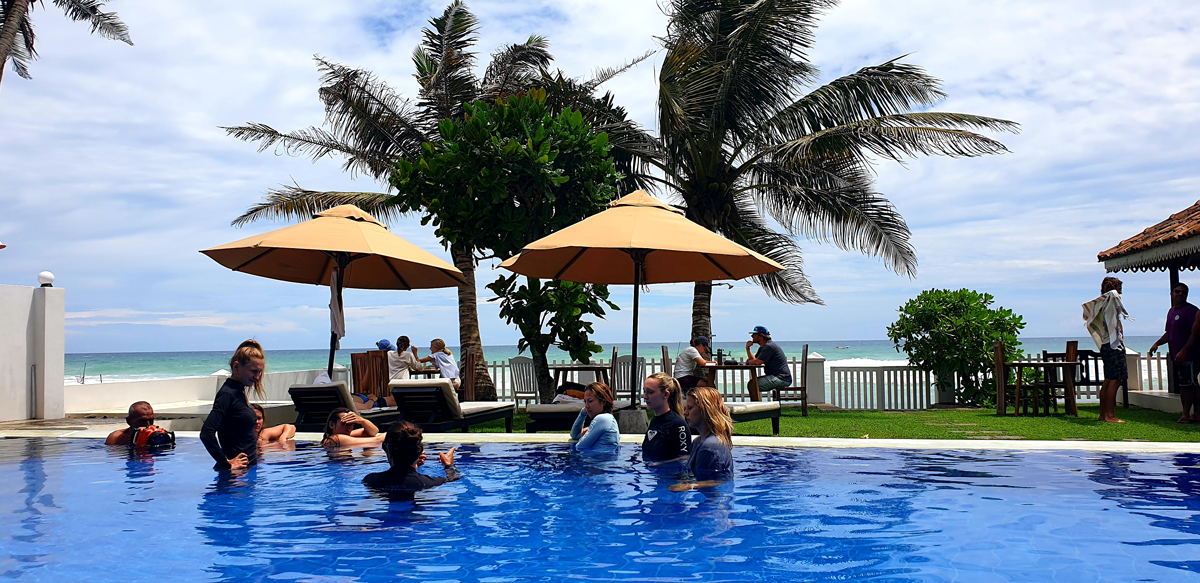
Ahangama, Weligama, Hiriketiya. Yes, there are surfboards everywhere. Yes, digital nomads have discovered strong Wi-Fi and strong coffee.
Walk one street inland and the mood shifts. Fishermen repair nets in the shade. Buses thunder past with open doors. Monkeys still steal fruit if you forget to close a window.
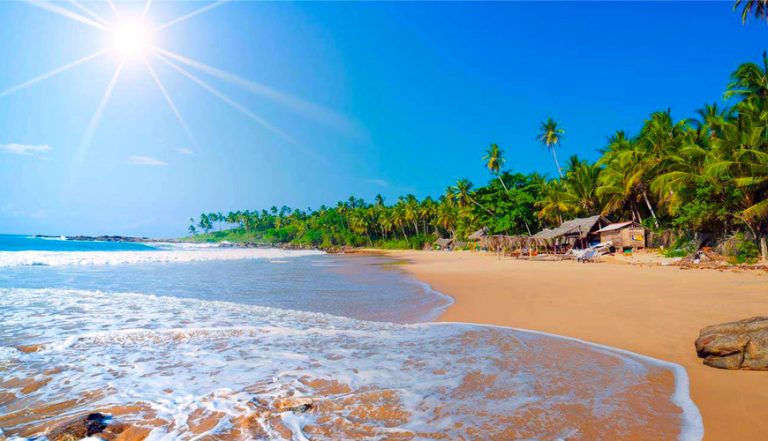
The coast wakes up each season the way it always has. The surf does not arrive for visitors. It arrives because that is what the ocean does here.

It Is Still Affordable — But That Is Not The Point
Guesthouses remain reasonable. Rice and curry is still served in metal bowls that refill without asking. Trains cost almost nothing. The currency fluctuations have made the island easier on foreign wallets recently.
But reducing Sri Lanka to “cheap” misses what actually matters. What you are buying is proximity.
You are close to the people cooking your food. Close to the farmers growing tea. Close to conversations that do not feel rehearsed. Within a week you can move from beaches to highlands to dry-zone safari parks without crossing a border.
The island compresses variety into short distances.
Why I Kept Going Back
I kept going back to the southwest coast.
Every time, the same stretch of road. The same green pressing in from both sides. The same feeling that the island was doing something quietly extraordinary and had no interest in telling you about it.
November through March, the surf comes in hard and clean and the coast wakes up — not for tourists, just as itself, the way it does every year.
You sit in a small restaurant in Unawatuna and the power cuts for twenty minutes. Nobody panics. Someone lights a candle. The cook keeps working on his gas stove. When the electricity returns, the fan resumes its lazy rotation and conversation continues where it left off.
After a few months you stop noticing the power cuts. You start noticing other things — the specific hour the light changes in the afternoon, which vendor shows up on which day, the rhythm underneath the noise. That takes time to see.
The train from Ella runs late. Of course it does. You lean out of the doorway because that is how the train works here. A vendor walks through with peanuts in folded newspaper cones. The hills do not care about the timetable.
In Colombo, a café owner tells you the past year was hard. Then he asks where you are heading and puts something from the counter in front of you. Just because you are there.
Sri Lanka right now is not a comeback story. Not a trending destination. Not a case study in resilience.
It is a small island getting on with things — green and loud and alive on the coast in November, quiet in ways you only learn to read after a while.
If you are thinking about going, go. But give it more than two weeks.
Happy travels!
Ramon