Road Trip Essentials: What Actually Matters When You Live From a Car
There is a romantic version of the road trip. Windows down. Music up. Endless horizon. The car becomes a moving postcard.
And then there is the fourth day. The back seat is chaos. Someone cannot find the charging cable. The cooler has leaked. The phone battery is nearly dead and the next town is a suggestion on a map rather than a certainty.
A road trip stops being romantic the moment friction accumulates. The difference between a cinematic drive and a sustainable one is rarely about destination. It is about systems.

Power Is Infrastructure
Electricity underpins everything now. Navigation, bookings, communication, even fuel payments in some regions depend on it. A high-capacity power bank is essential, but so is a multi-port car charger that keeps devices replenishing while you drive rather than draining while you search.
If you are traveling through remote regions, a portable jump starter earns its space quickly. A dead battery in a rural parking lot becomes a manageable inconvenience instead of an afternoon waiting for assistance.
Navigation Beyond Reception
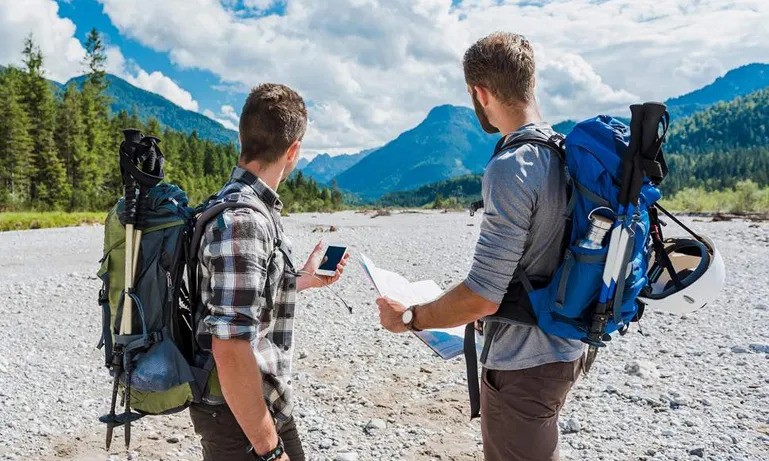
Smartphones are excellent until they are not. Offline maps downloaded in advance are often more important than the latest navigation app. In mountain regions or sparsely populated areas, signal drops without warning.
A physical map folded into the glove compartment may feel nostalgic, but it does not depend on signal or battery. Redundancy on the road is rarely excessive.
Water, Food, and Flexibility
Hunger and dehydration alter mood faster than scenery improves it. A travel cooler extends independence. You are no longer dependent on whatever highway service station happens to be open.
Reusable water bottles matter more than most people assume, especially in hotter climates. Filtered bottles add autonomy in regions where potable water is inconsistent. The more self-sufficient you are, the more freedom detours offer.
Mechanical Reality
Check fluids before departure. Monitor tire pressure. Carry small reserves of oil and coolant. A tire repair kit and flashlight take little space and reduce vulnerability. Mechanical issues rarely explode into drama; they begin as minor neglect.
Roadside assistance memberships are not glamorous purchases, but they remove a layer of background anxiety when you are far from familiar infrastructure.
Comfort Is Structural
If sleeping in the car is even a possibility, invest in a decent pillow and lightweight blanket. Poor sleep accumulates into impatience, and impatience reshapes judgment.
Simple organization—designated storage bags, a contained trash solution, clearly separated gear—prevents the slow creep of disorder that turns the car interior into a daily frustration.
Connection and Contingency
A phone mount keeps navigation visible without becoming a distraction. A local SIM card or portable hotspot ensures communication when borders shift or reception weakens.
A basic first aid kit should cover the obvious: antiseptic, bandages, pain relief, and any personal medication. It does not need to be extensive. It simply needs to exist.
Tips for a Smooth Road Trip
- Plan the route, but not the outcome. Know the distances, fuel stops, and border rules. Leave room for deviation when something better appears.
- Refuel earlier than necessary. Half a tank in a remote region is not the same as half a tank in a city.
- Rotate drivers before fatigue sets in. Exhaustion announces itself too late.
- Reset the car every morning. Five minutes of reorganizing prevents cumulative chaos.
- Download everything in advance. Maps, accommodation details, insurance documents. Assume signal will fail at some point.
- Eat lightly while driving. Heavy meals slow reaction time and concentration.
- Respect weather forecasts. Roads change character quickly in rain, heat, or mountain conditions.
- Keep essential documents accessible. Registration, insurance, passports if crossing borders. Do not bury them under luggage.
- Stop when something feels off. Mechanical noises and physical fatigue both deserve attention.
- End the day before you are forced to. Searching for accommodation in the dark is rarely efficient.
A sustainable road trip is not built on gadgets. It is built on reducing friction so that the miles remain expansive rather than exhausting. When power is stable, water is available, the car is mechanically sound, and the interior is ordered, distance becomes calm instead of stressful.
After that, the scenery can do its work. You just keep driving.
Ramon