
We need to talk about your in-flight farting
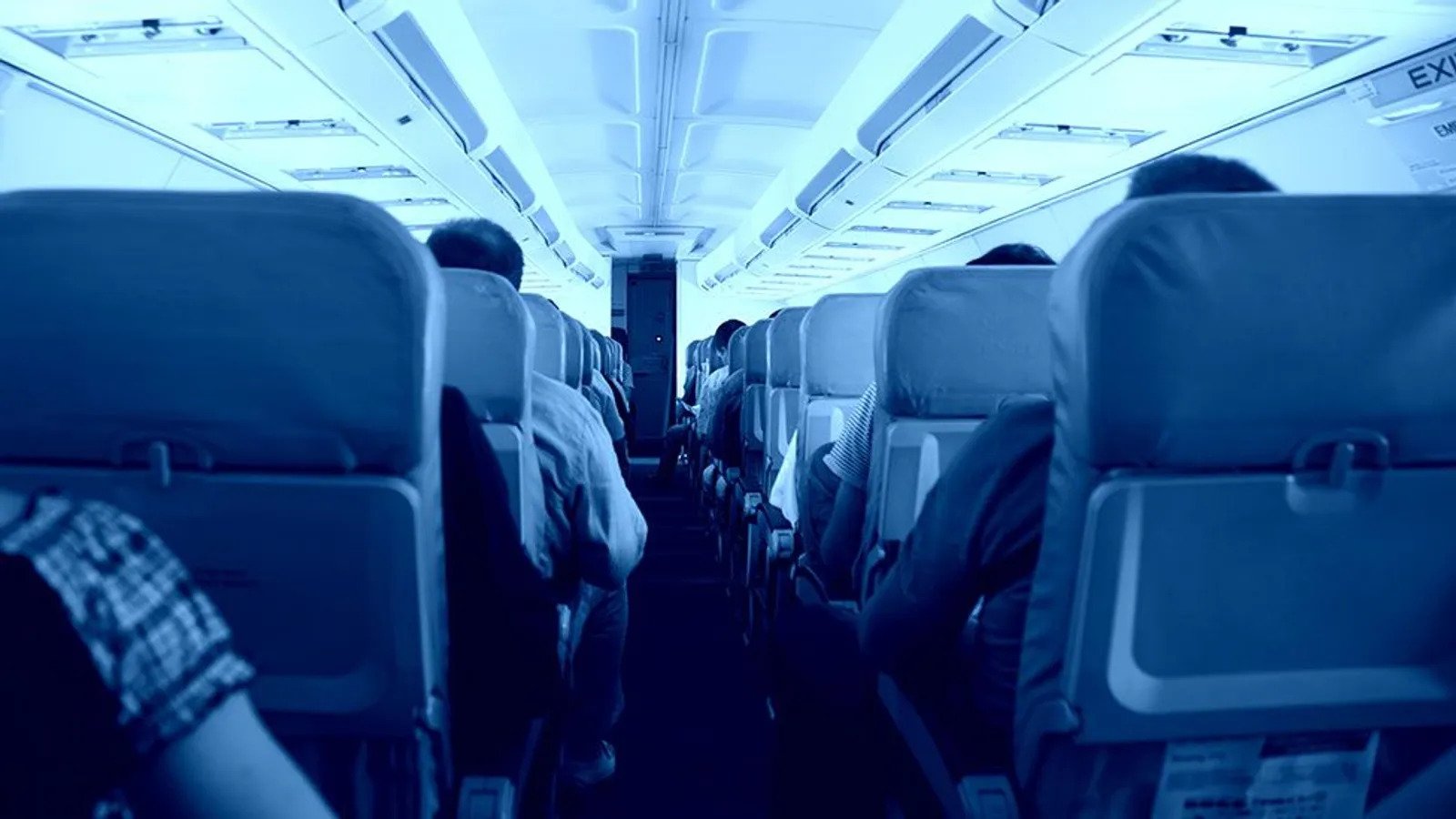
There is a moment on every long-haul flight when the cabin goes quiet.
The engines level out. The meal trays are stacked away. The overhead lights dim to a polite twilight. Someone two rows back shifts in their seat.
And then the air changes.
No one reacts. No one turns around. Everyone suddenly becomes very interested in the seatback screen in front of them.
Extended air travel does peculiar things to the body. Your ankles swell. Your mouth dries out. Your spine compresses into the shape of an economy seat. And somewhere between takeoff and cruising altitude, your digestive system quietly begins renegotiating its contract with physics.
The reason is simple. Cabin pressure at altitude is lower than at sea level. When pressure drops, gases expand. That includes the air in your water bottle. It also includes the air in your intestines.
Danish surgeon Dr. Jacob Rosenberg once noticed his abdomen felt distended during a long-haul flight to New Zealand. He looked down at his empty water bottle and saw it had ballooned in the low pressure, then collapsed again upon landing. The parallel was not difficult to draw. If plastic behaves like that, so do we.

On the ground, the average person passes gas roughly ten times a day, expelling about a liter in total. At altitude, that volume increases by roughly 30 percent. Nothing dramatic changes in the chemistry. The space simply gets larger.
What usually disperses unnoticed in open air becomes more noticeable inside a pressurized aluminum tube shared with three hundred strangers.
Pilots report it frequently. One study found that more than 60 percent of flight crew experience noticeable abdominal bloating during flights — considerably higher than office workers on the ground. The body is not misbehaving. It is responding.
There was even a 1969 paper that speculated about the theoretical risk of flammable concentrations of intestinal gas in spacecraft cabins. Commercial aviation has avoided any such dramatic headlines. The worst case scenario at cruising altitude remains social, not explosive.
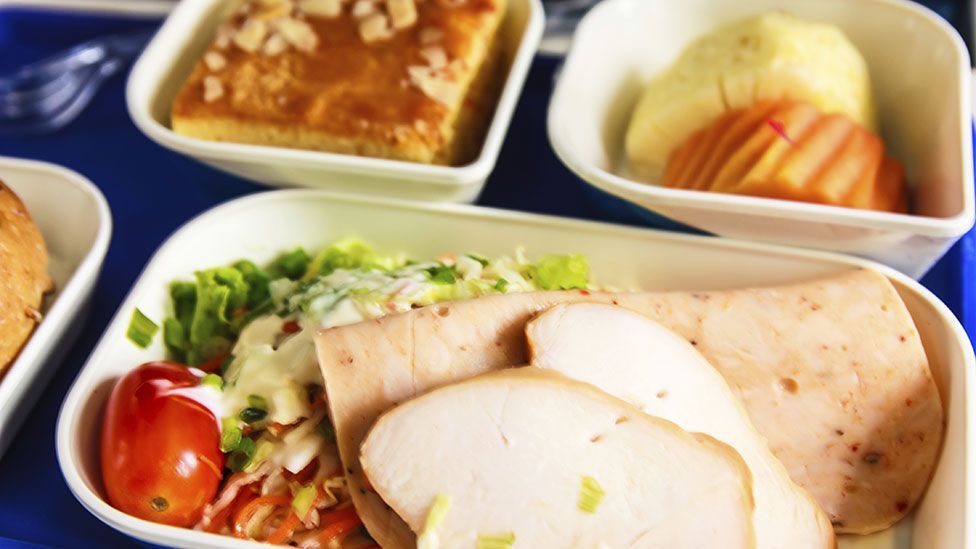
Airlines are not entirely passive in the matter. Many aircraft use charcoal filtration systems in their air conditioning, which help absorb sulfurous odors before they circulate through the cabin. In-flight meals are typically designed to be easier to digest. You rarely see cabbage or Brussels sprouts at 35,000 feet for a reason.
On overnight flights, there is a choreography to it. The subtle unbuckling of a seatbelt. The quiet walk toward the galley under the pretense of stretching. The extra minute spent standing near the toilets while pretending to scroll through a phone. Nobody explains this ritual, but frequent flyers recognize it instantly.
What makes it fascinating is not the biology. It’s the etiquette. We share recycled air for twelve hours. We negotiate armrests with diplomatic precision. We recline and un-recline in silent retaliation. And yet the one universal human function we pretend does not exist is the one most predictably amplified by altitude.
The next time the cabin air shifts and everyone studies their screens with unusual concentration, remember: it isn’t bad manners. It isn’t sabotage. It’s basic gas law.
Physics, unlike your seatmate, cannot apologize.
Ramon