Backpacking hasn’t disappeared. It has simply shed its illusions.
Flights cost more. Borders feel tighter. Money runs out faster. And the fantasy of drifting indefinitely without thinking about safety, stability, or long-term affordability has thinned.
But the road isn’t closed. It just demands better judgment.
In 2026, I’m not looking for “cheap.” I’m looking for places where my shoulders drop. Where infrastructure works well enough to fade into the background. Where I can afford to stay long enough for a place to become familiar instead of photogenic.
These twelve still allow that.
– Hoi An, Vietnam
– Penang, Malaysia
– Chiang Mai, Thailand
– Bansko, Bulgaria
– Ljubljana, Slovenia
– Kraków, Poland
– Oaxaca, Mexico
– Medellín, Colombia
– Cusco, Peru
– Porto, Portugal
– Tbilisi, Georgia
Southeast Asia: Where Movement Still Feels Natural
Hoi An, Vietnam
About $18–22 a day if you don’t try to impress anyone
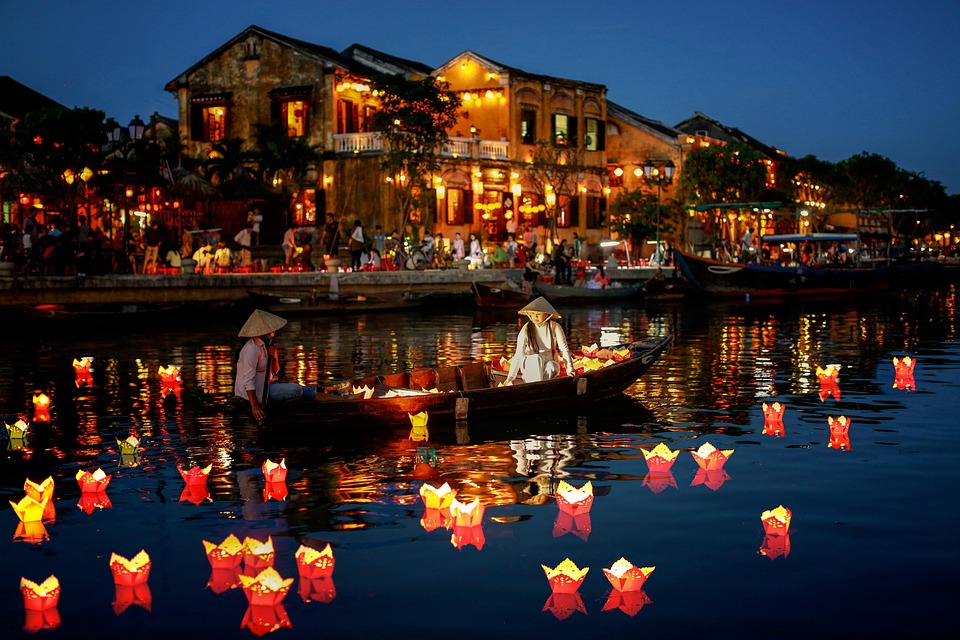
Hoi An works because it is scaled for walking. At night the lanterns are almost theatrical, but step away from the main drag and it settles quickly into ordinary life: scooters parked crookedly, families eating on low stools, shopkeepers closing metal shutters.
I remember walking home after midnight along the river, the air thick and warm, a few drunk backpackers ahead of me singing badly. I didn’t feel unsafe. That absence of calculation is rare enough now to be worth naming.
Rent a bicycle instead of a motorbike. Ride into the rice fields early before the heat becomes oppressive. Eat where menus are handwritten. The city rewards small adjustments.
It isn’t raw. It isn’t undiscovered. It’s simply dependable.
Penang, Malaysia
About $22–28 a day
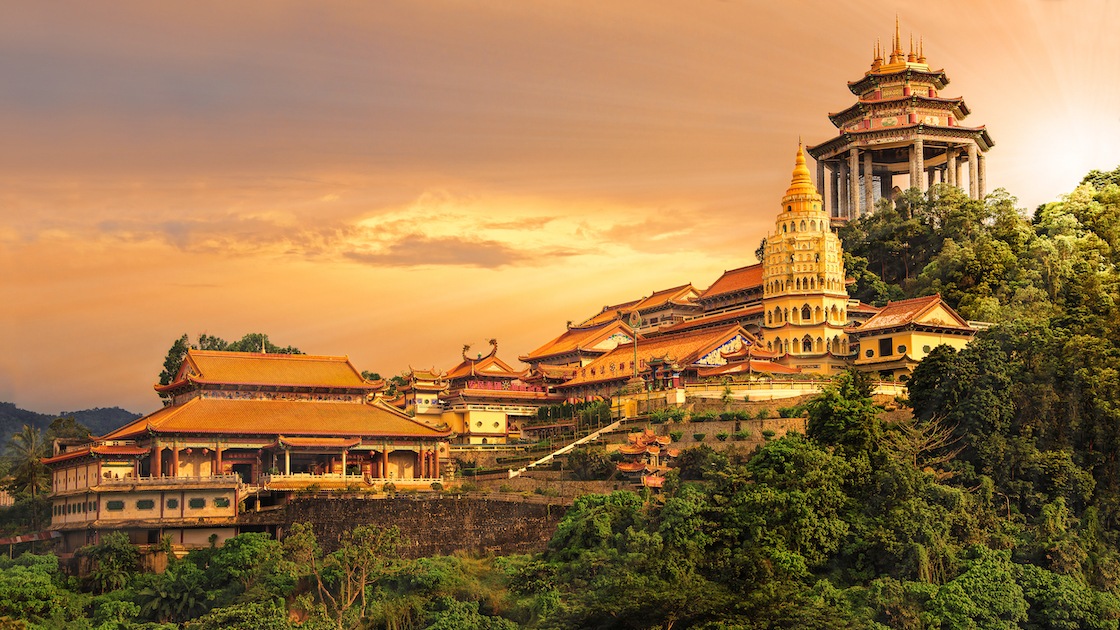
In Georgetown, the day organizes itself around food.
I once spent three afternoons at the same hawker center, rotating through stalls methodically: char kway teow, laksa, roti canai. The vendors noticed. On the third day, one of them handed me a plate before I ordered. That kind of recognition arrives quickly here.
Malaysia’s stability isn’t glamorous, but it’s functional. Buses run. Hospitals are real hospitals. English smooths transactions. You don’t burn energy decoding basics.
Penang is less about spectacle than rhythm. Stay long enough and you start recognizing the same faces in the market. That’s when a place stops being “a destination.”
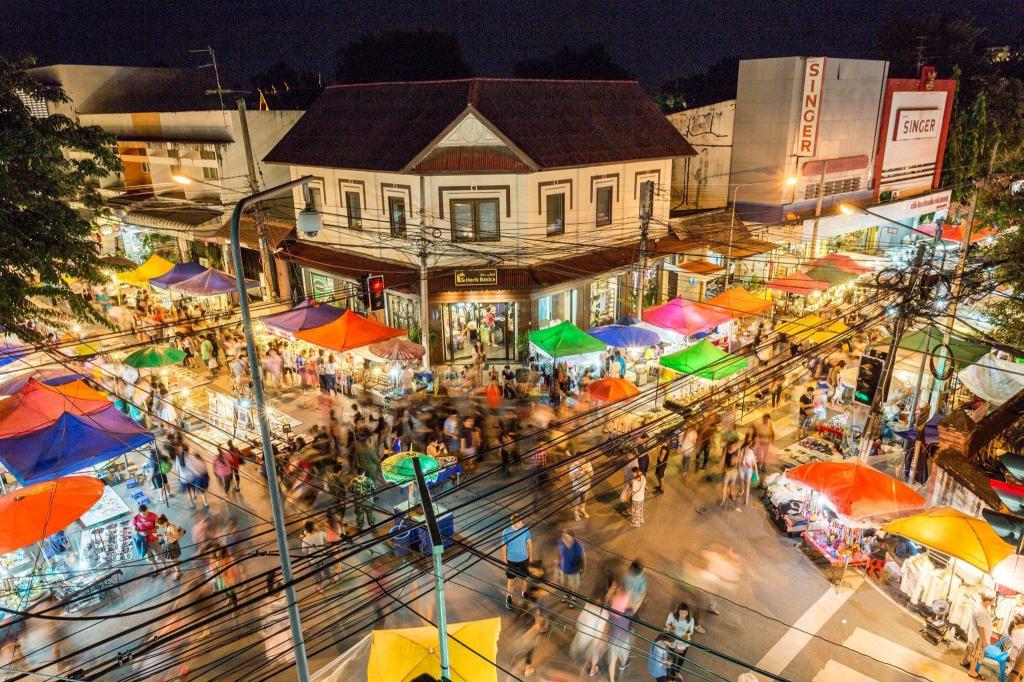
Chiang Mai, Thailand
About $18–25 a day
Chiang Mai is predictable in the best possible way.
You wake to temple bells. You work from a café that doesn’t rush you. You ride north toward the mountains when the city starts feeling too tight.
I rented a simple apartment here once and meant to stay two weeks. It became six. That happens when costs remain manageable and the city doesn’t constantly challenge you.
The infrastructure is mature. ATMs work. Public transport is intuitive. Tourist police exist. You’re free to focus on the living part.
Eastern Europe: Weight Without Financial Shock
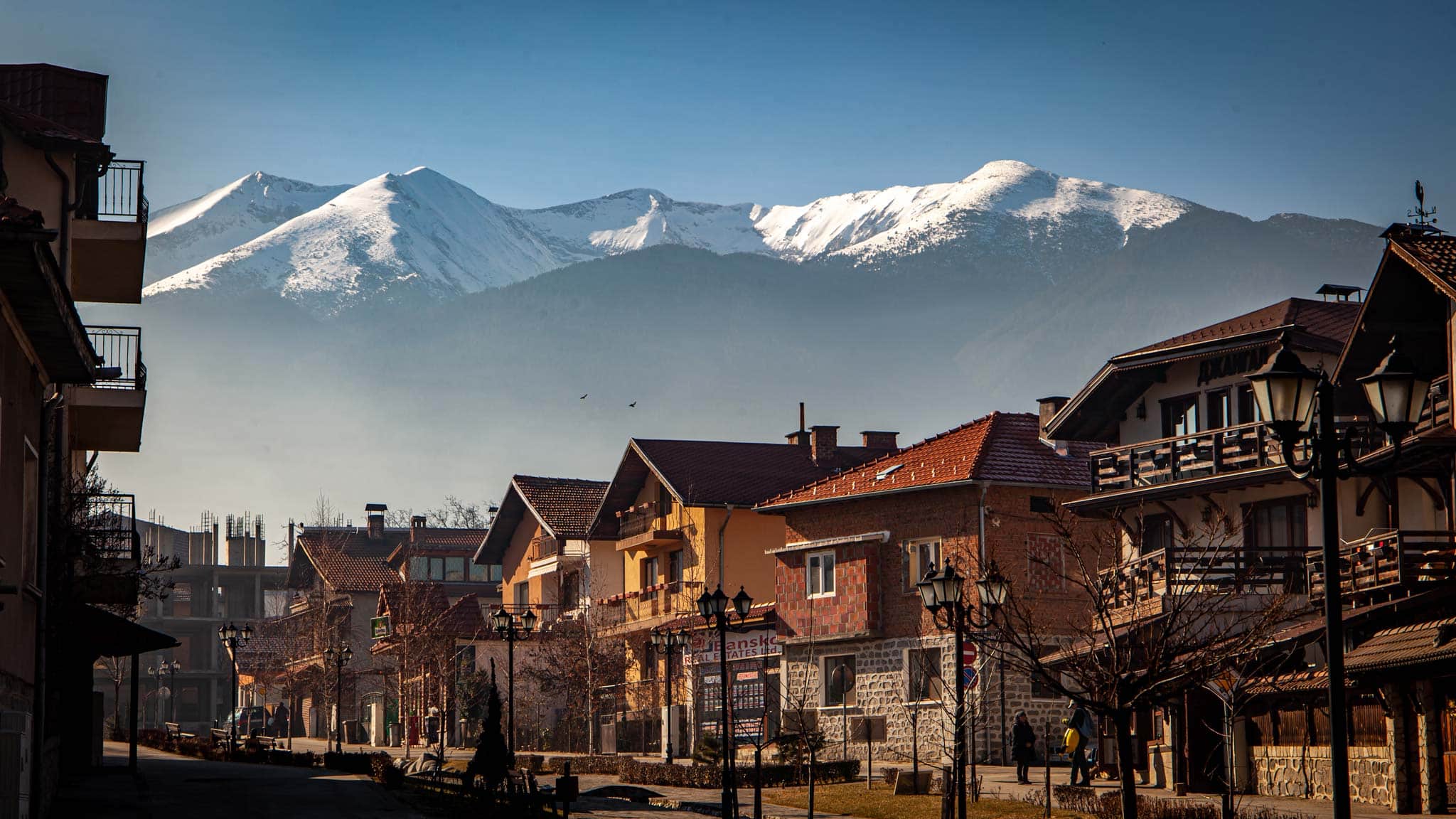
Bansko, Bulgaria
About $25–30 a day
Bansko is a ski town that accidentally became practical.
I arrived expecting a transient scene and found something steadier: people staying for seasons, not nights. Apartments rented monthly. Work done in the mornings. Mountains in the afternoon.
The Pirin range feels close enough to touch. In summer, hiking trails empty out quickly. In winter, lift passes cost less than a single meal in parts of Western Europe.
It isn’t romantic. It’s functional. And functionality allows time.
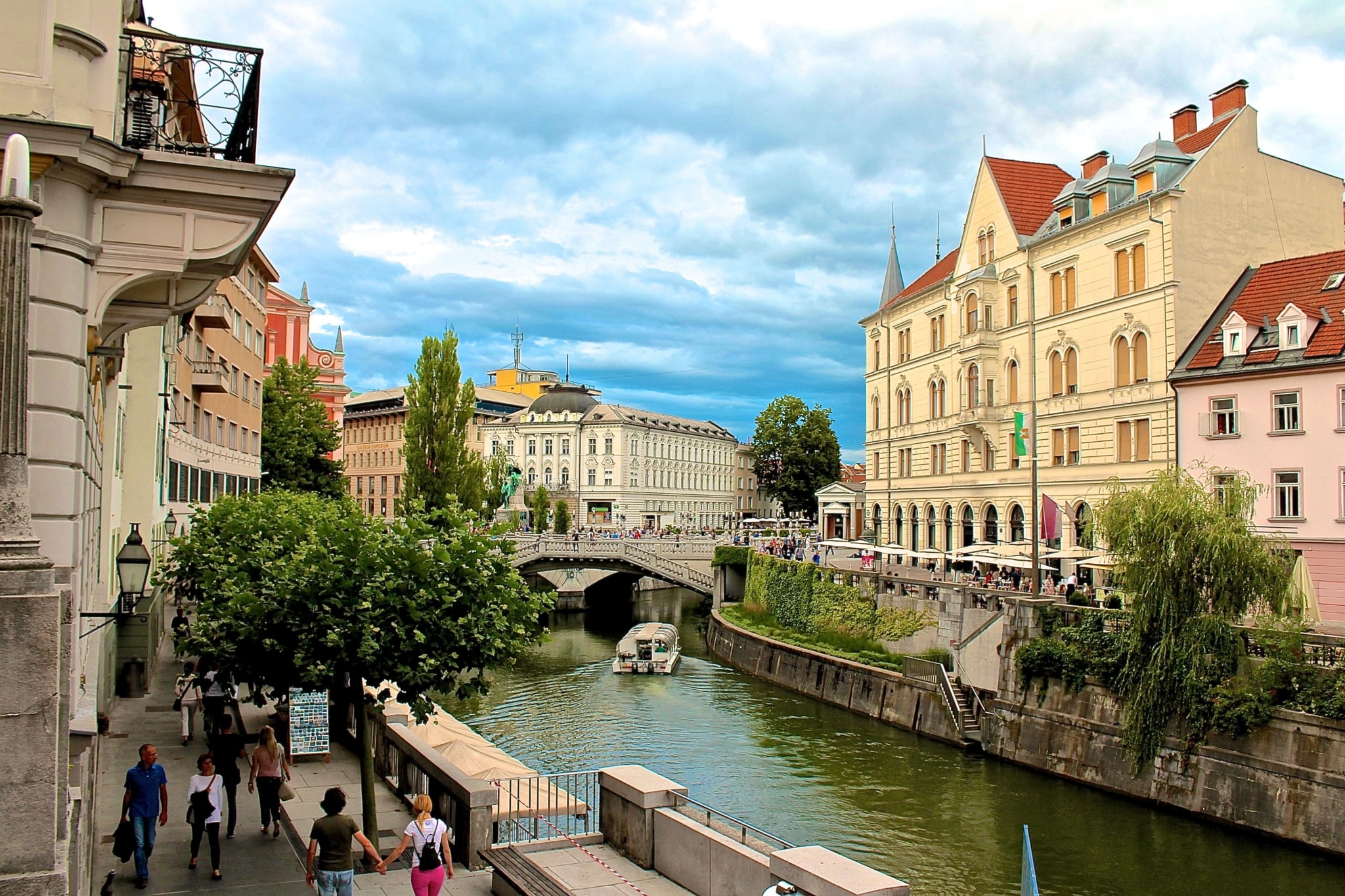
Ljubljana, Slovenia
About $35–40 a day
Ljubljana feels quietly competent.
You cross the city on foot without realizing you’ve crossed it. The river becomes your compass. Students sit along its banks in the evening, drinking cheap beer and arguing about politics in a language you can’t decode.
It’s safe in a way that doesn’t announce itself. No visible force, just absence of tension.
I used it as a base. Lake Bled felt curated. Lake Bohinj felt lived-in. The bus ride into Triglav National Park was punctual, scenic, and unremarkable — which is another way of saying reliable.
Reliability is not sexy. It is useful.
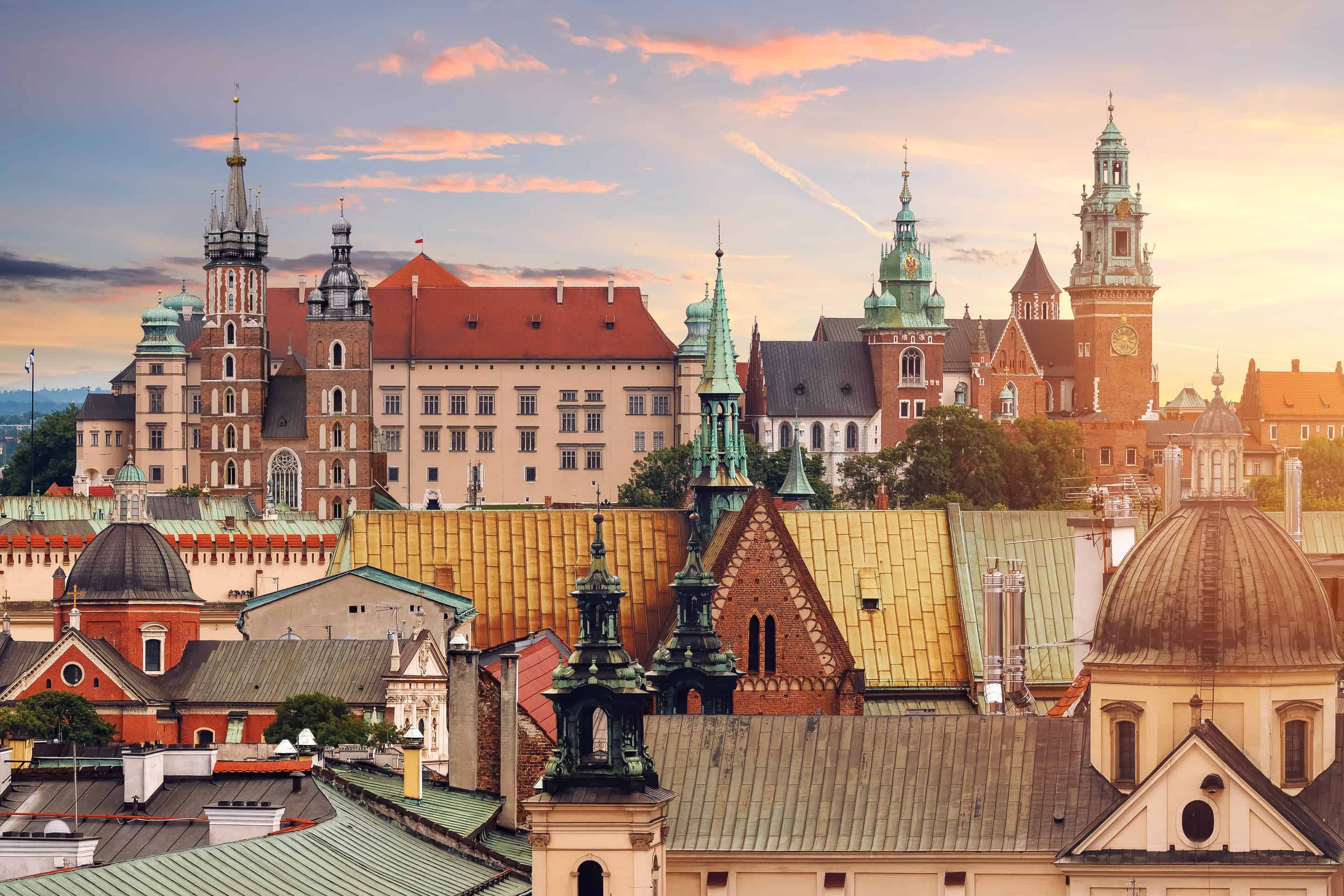
Kraków, Poland
About $30–38 a day
Kraków is beautiful in a way that almost feels staged. Then the weight hits.
I visited Auschwitz on a gray morning. The silence there reorganizes your sense of scale. Back in the city that night, sitting in Kazimierz with a cheap beer, I felt the contrast sharply — history pressing against laughter.
Milk bars still serve enormous plates of pierogi for very little money. Nightlife is unpretentious. You don’t need a curated plan to experience the place.
It leaves you thinking, which is not always comfortable but often necessary.
The Americas: Energy and Edges
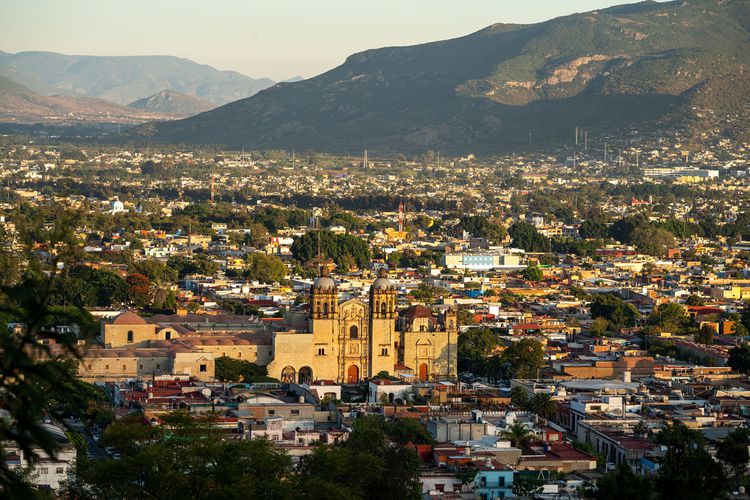
Oaxaca, Mexico
About $28–35 a day
Oaxaca tastes like work.
I took a cooking class once expecting performance. Instead, I found an older woman explaining why certain moles are reserved for weddings, why grinding takes time, why shortcuts change texture.
You can feel safe here if you remain attentive. Central neighborhoods are steady. Markets hum without menace.
Rent modestly and you can stay longer than planned. Mezcal will test your restraint.
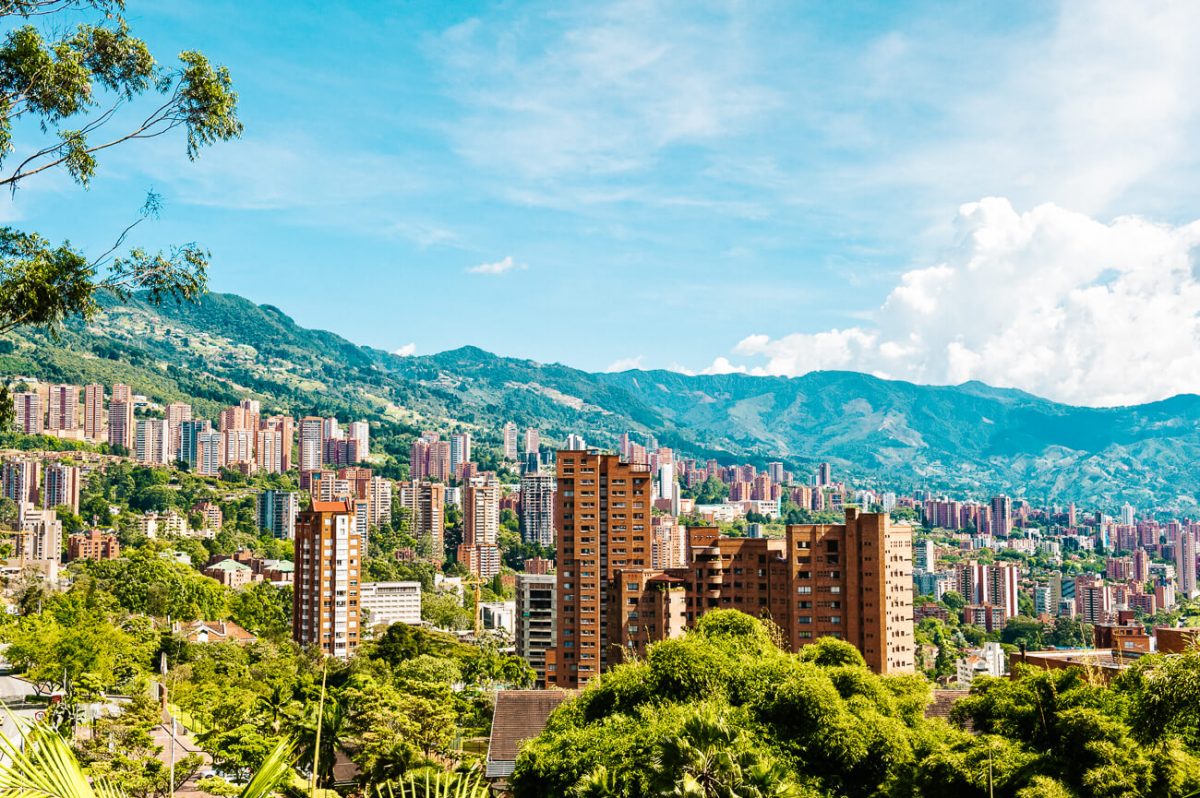
Medellín, Colombia
About $28–35 a day
Medellín feels vertical.
The metro glides above traffic. Cable cars climb into neighborhoods that were once isolated. I rode one at sunset, watching the city stretch outward, thinking about how quickly narratives change.
Stick to Laureles or El Poblado. Use common sense. Crime hasn’t vanished, but neither has progress.
The city is still negotiating itself. That negotiation is visible.
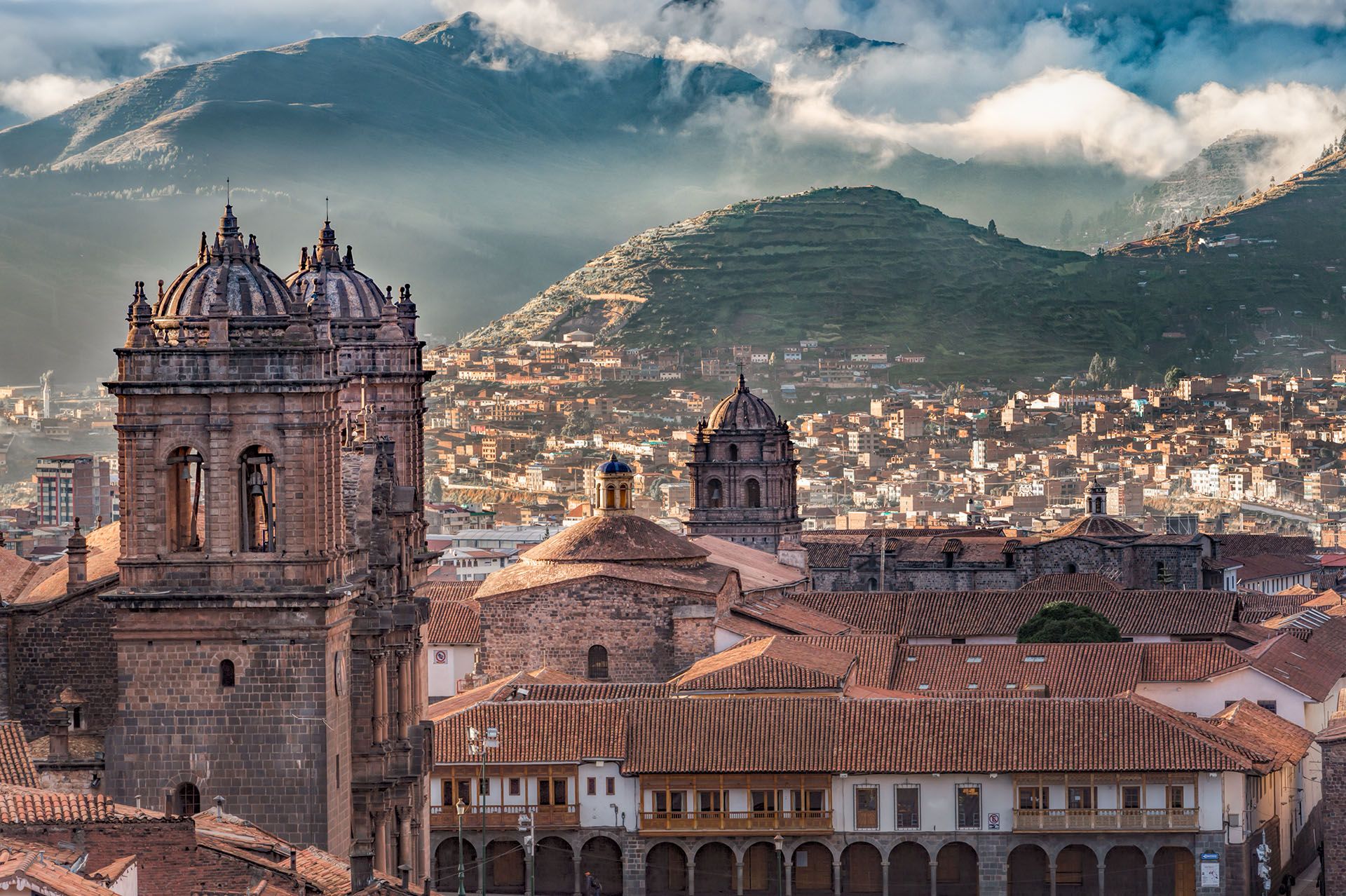
Cusco, Peru
About $28–35 a day
Altitude humbles you.
I tried to walk too fast on my first day and paid for it. Cusco forces pacing. Once you surrender to that rhythm, the city opens — narrow streets, Incan stonework beneath colonial facades, conversations in courtyards.
Tourist police are visible. Hostels are structured. The Sacred Valley rewards patience more than speed.
It is not a place for rushing.
Europe’s Softer Edge
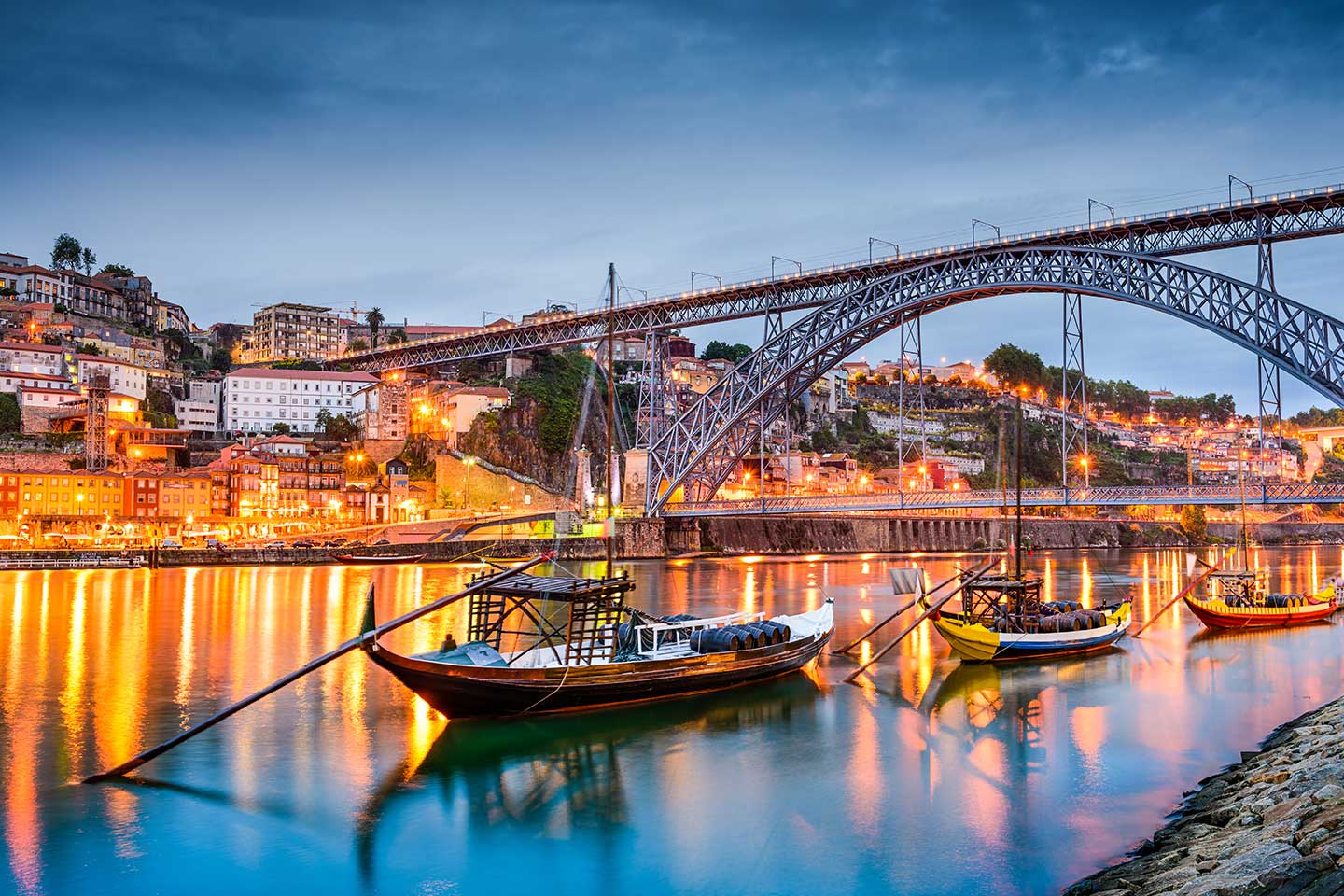
Porto, Portugal
About $40–45 a day
Porto feels measured.
I once stood on the Dom Luís I Bridge at dusk, watching the river catch light while locals argued softly behind me. No one seemed hurried.
Portugal’s stability isn’t loud. It’s ambient. You can walk late. You can sit for hours over coffee without being moved along.
It’s Europe without constant financial negotiation.
The Caucasus: Where Edges Remain Visible
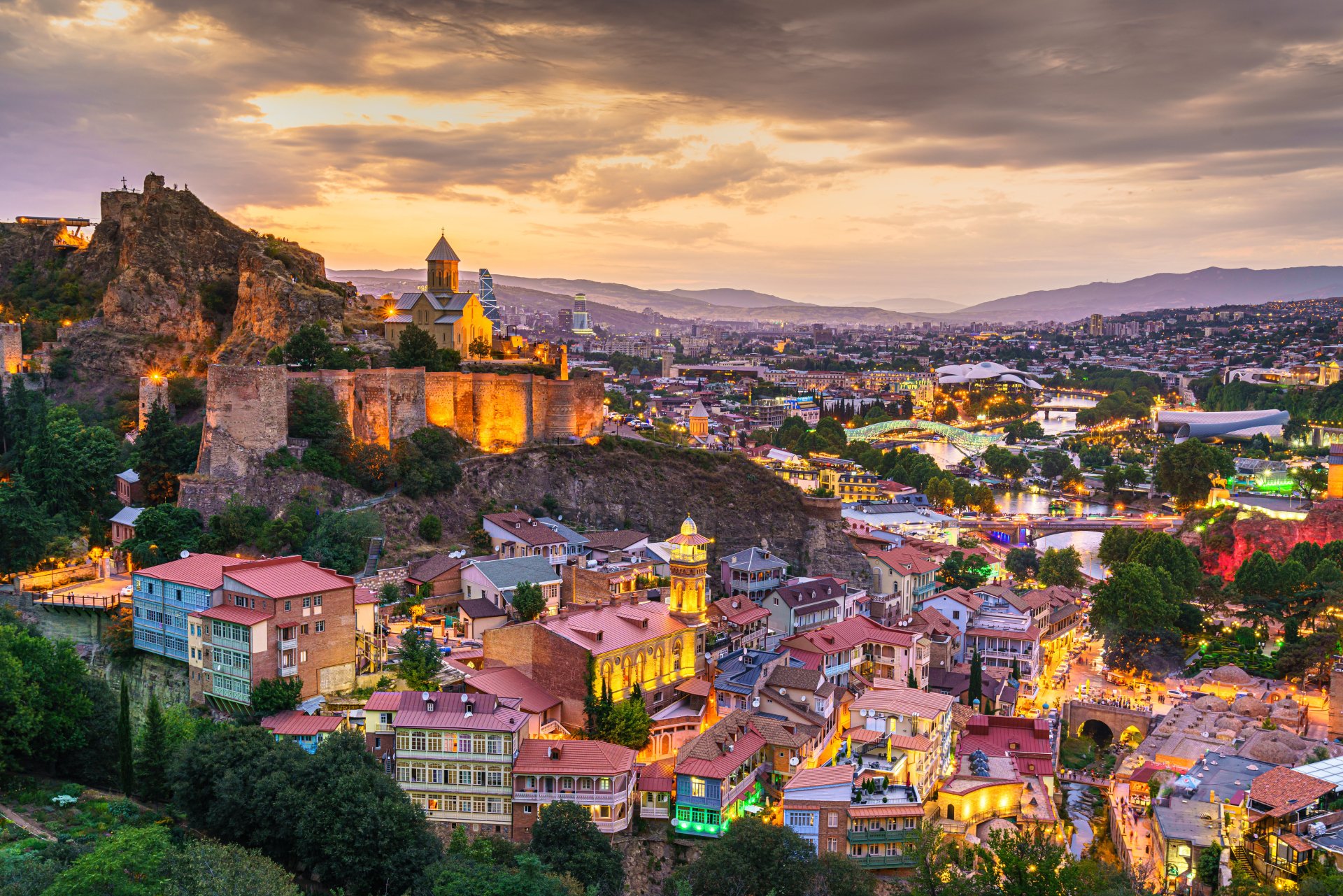
Tbilisi, Georgia
About $22–28 a day
Tbilisi resists polish.
Balconies lean. Stairwells creak. Markets are loud and uncurated. A dinner invitation turns into a supra that lasts four hours and involves more toasts than you thought possible.
I stayed six months once and left heavier — in every sense. Hospitality here is not decorative. It is overwhelming, generous, occasionally chaotic.
It’s imperfect. That’s why it feels alive.
Travel, Adjusted
Backpacking in 2026 is less about proving how little you can survive on and more about choosing environments where curiosity remains possible.
When logistics settle into the background, attention expands. You notice how markets open. How buses fill. How evening light changes a neighborhood.
That is when travel becomes something more than transit.
These places are not perfect. None are. But they allow you to stay longer than planned without feeling reckless.
And in a world that feels tighter, that margin still matters.
Ramon